How to Get Enough Protein on GLP-1 Medications (Without Feeling Sick)
Last updated: April 2026 | Reading time: 9 minutes
You're on a GLP-1 medication. Your appetite is gone. The thought of eating a full meal makes you nauseous. But you know you need protein -- to stay strong, to keep your energy up, to protect your muscles while you lose weight.
The problem is, you can barely eat a handful of crackers. So how are you supposed to hit 80 or 100 grams of protein a day?
We scoured Reddit threads from thousands of GLP-1 users to find what actually works. Here are real strategies, real products, and real language from people who've been exactly where you are.
Why Protein Is So Hard on GLP-1s
GLP-1 medications (Ozempic, Wegovy, Mounjaro, Zepbound) suppress your appetite -- sometimes to the point where eating feels like a chore, not a choice. You're full after two bites. You're not hungry. You're not even thinking about food.
But here's the catch: your body still needs protein to maintain muscle, support your immune system, and keep your energy up. And if you're not getting enough, you'll feel weak, tired, and you'll lose muscle mass along with fat.
One Reddit user captured the frustration perfectly:
"How are y'all getting your protein? I'm drinking premier protein shakes and eating protein bars when I feel snacky."
That's the question we're answering today.
Daily Protein Targets on GLP-1 Medications
How much you need and how to get there
Prevent muscle loss
Example: 2 protein shakes + 1 chicken breast
Maintain muscle, support recovery
Example: Protein shake + Greek yogurt + chicken breast + cottage cheese
Active patients, strength training
Example: All of the above + eggs + protein bar
Protein needs vary by body weight, activity level, and medical history. Consult your provider for personalized targets. Spread intake across 3-4 meals for best absorption.
What Real Users Are Saying
"I focused on getting protein in my diet especially in the morning."
"Learning to drink protein water and eat more so I don't pass out! Climbing stairs or long walks completely deplete my energy levels."
The pattern is clear: protein comes first, timing matters, and liquid calories (shakes, protein water) are lifesavers when solid food isn't appealing.
What Actually Helps
1. Front-Load Protein in the Morning
Many users report that their appetite is slightly better in the morning. Use that window. Get 25-30 grams of protein in before your day gets busy or your stomach gets queasy.
Affiliate pick: Fairlife Core Power Protein Shake, 26g Protein, Ready to Drink -- creamy, tastes like milk chocolate or vanilla, no mixing required. Reddit users rave about this brand specifically.
2. Protein Shakes (When You Can't Eat)
If the thought of chewing food makes you sick, drink your protein. Shakes are convenient, portable, and don't require an appetite.
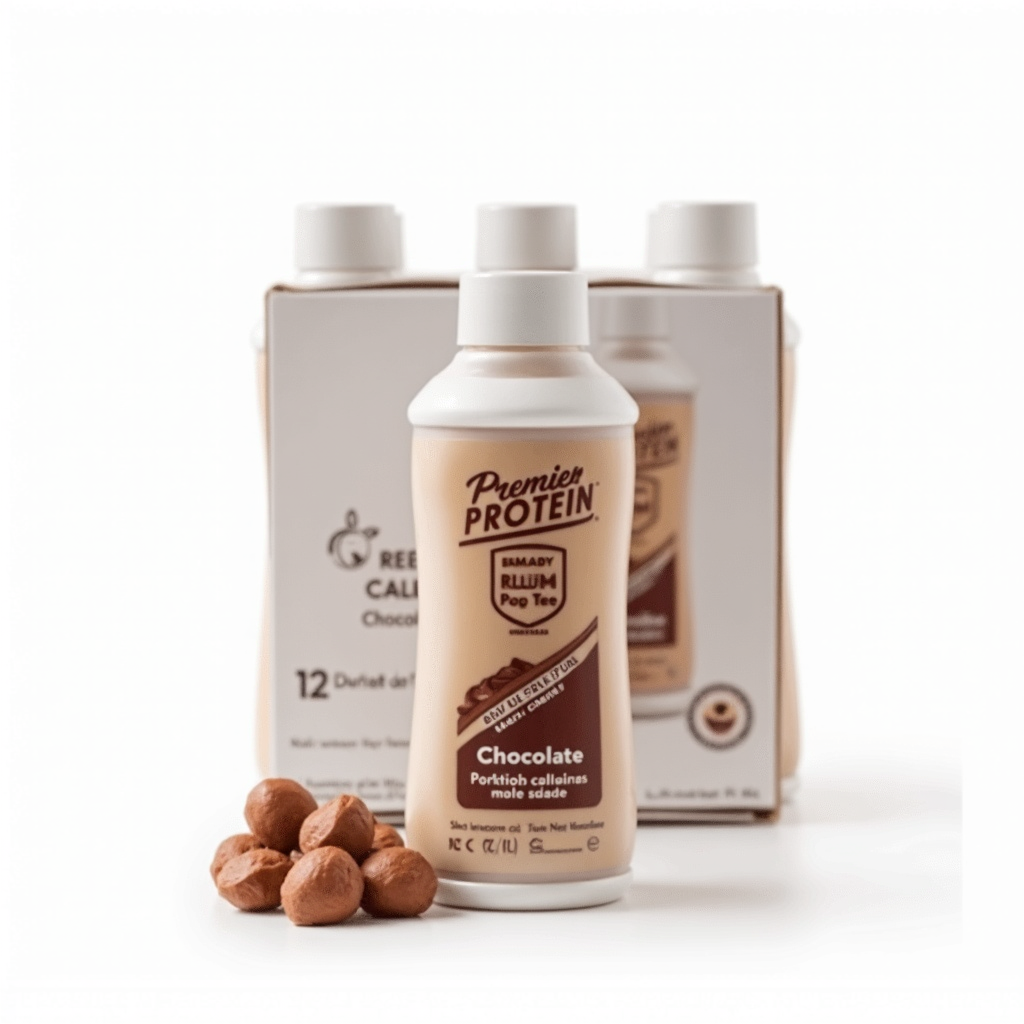
Affiliate pick: Premier Protein Shake, 30g Protein, 12-Pack -- Chocolate or Vanilla -- mentioned by name in the Reddit thread above. Low sugar, high protein, widely available.
3. Protein Bars (For Snacking)
Protein bars aren't a complete meal replacement, but they're a great way to sneak in 10-20 grams between meals or when you "feel snacky" (as one user put it).
Affiliate picks: Quest Protein Bars, Chocolate Chip Cookie Dough (20g protein, low sugar) or RXBAR Protein Bars, Chocolate Sea Salt (12g protein, clean ingredients).
4. Protein Powder (Mix Into Anything)
Whey or casein protein powder can be mixed into oatmeal, yogurt, smoothies, or even coffee. It's versatile and cost-effective.
Affiliate pick: Optimum Nutrition Gold Standard Whey Protein Powder, Vanilla Ice Cream -- blends easily, mild flavor, 24g protein per scoop.
5. Collagen Peptides (Tasteless & Easy to Hide)
Collagen powder has no taste and dissolves in hot or cold liquids. Add it to coffee, tea, or soup without changing the flavor. It's not a complete protein, but it adds up.
Affiliate pick: Vital Proteins Collagen Peptides Powder, Unflavored -- 20g protein per serving, mix into anything.
6. Protein Water (Light & Refreshing)
Protein water is lighter than shakes and doesn't leave you feeling full. One Reddit user specifically mentioned "learning to drink protein water" to avoid energy crashes.
7. Small, Frequent Protein "Snacks"
Instead of three big meals, try 5-6 mini protein hits throughout the day: a hard-boiled egg, a few slices of turkey, a spoonful of cottage cheese. Each one adds up.
What to Avoid
- Waiting until you're hungry: On GLP-1s, hunger may never come. Schedule protein like a medication -- same time every day.
- Chugging a full shake at once: If you're nauseous, sip slowly over 20-30 minutes. Gulping can trigger more nausea.
- Skipping protein to save calories: Losing muscle slows your metabolism and makes you feel weaker. Protein is not optional.
- Only eating carbs: Fruit, crackers, and toast are easy to eat but won't protect your muscles. Always pair carbs with protein.
When to See a Doctor
If you're experiencing any of the following, talk to your provider:
- Sudden, unexplained weakness or fatigue that doesn't improve with protein
- Visible muscle wasting (clothes feel loose in arms, legs, or face)
- Dizziness, fainting, or inability to stand up without feeling lightheaded
- Persistent nausea that prevents you from eating or drinking
- Rapid weight loss (more than 2 pounds per week after the first month)
Your provider may recommend blood tests to check for protein deficiency, iron levels, or other nutritional gaps.
Helpful Products
FAQs
How much protein do I actually need?
Aim for at least 0.6-0.8 grams of protein per pound of your target body weight. For example, if you're aiming to weigh 150 lbs, shoot for 90-120 grams of protein daily. This protects muscle while you're losing fat.
Can I get enough protein from food alone?
Some people can, but most GLP-1 users struggle because their appetite is so suppressed. Shakes and bars aren't "cheating" -- they're practical. Use both food and supplements to hit your target.
Is protein powder safe long-term?
Yes, for most people. Whey, casein, and collagen are all safe for daily use when you don't have kidney disease. If you have a history of kidney problems, talk to your doctor first.
What if protein makes me nauseous?
Try smaller portions more frequently. Sip a shake over 30 minutes instead of drinking it all at once. Choose milder flavors (vanilla over chocolate). If nausea persists, take your protein with a bite of bland food like crackers.
Get the Free 7-Day High-Protein Meal Plan
We created a free guide with specific products, recipes, and timing strategies to help you hit 100g+ protein daily -- even with a suppressed appetite. Includes a shopping list, printable tracker, and tips from Reddit users who've been there.
Download Free →Related Articles
Medical Disclaimer: This content is for informational purposes only and is not medical advice. Always consult your healthcare provider before making changes to your diet, adding supplements, or adjusting your GLP-1 medication. Protein needs vary by individual. If you have kidney disease, liver disease, or other medical conditions, talk to your doctor before increasing protein intake.